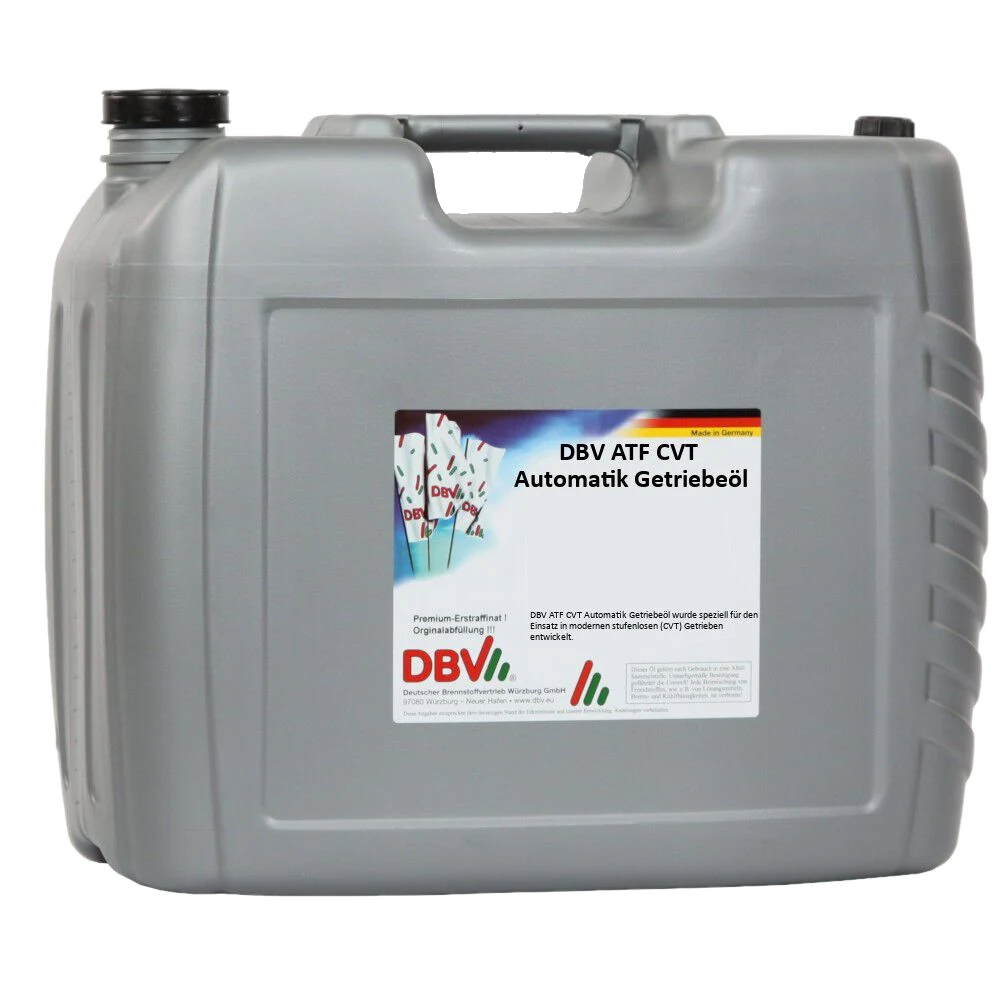
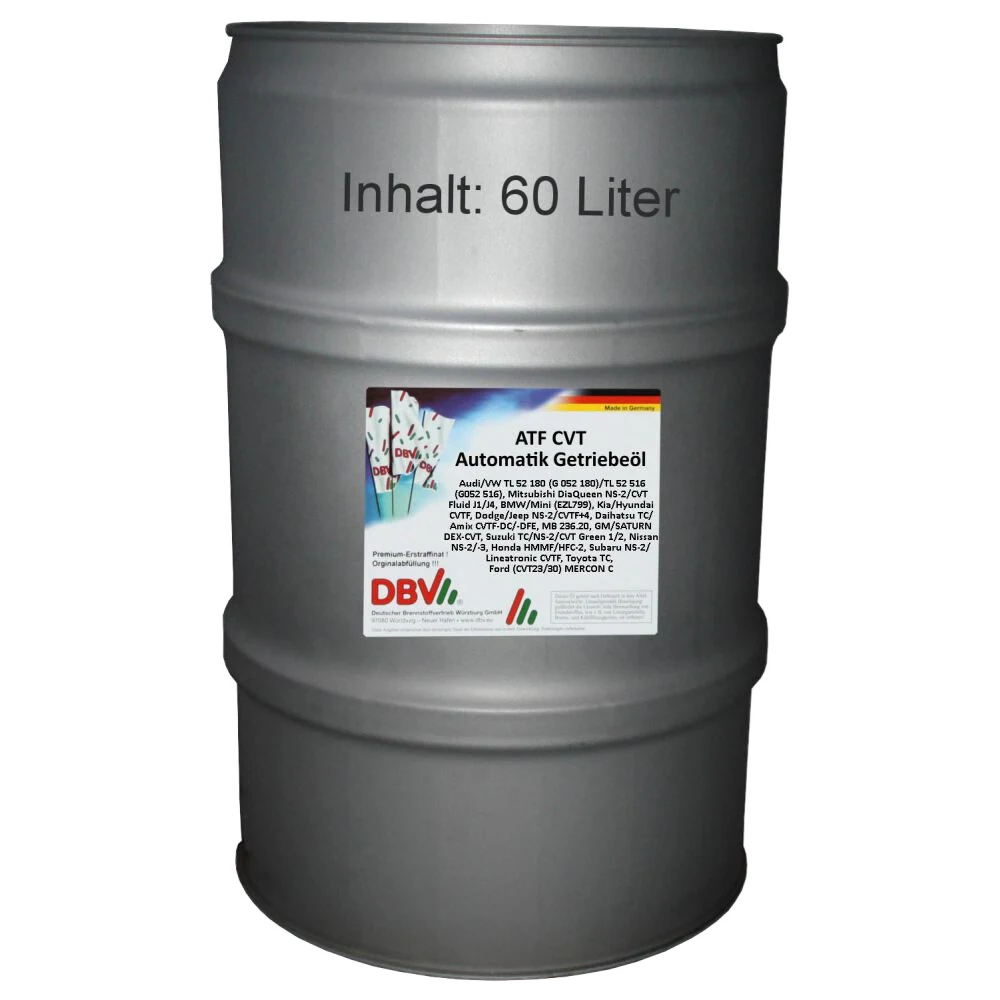
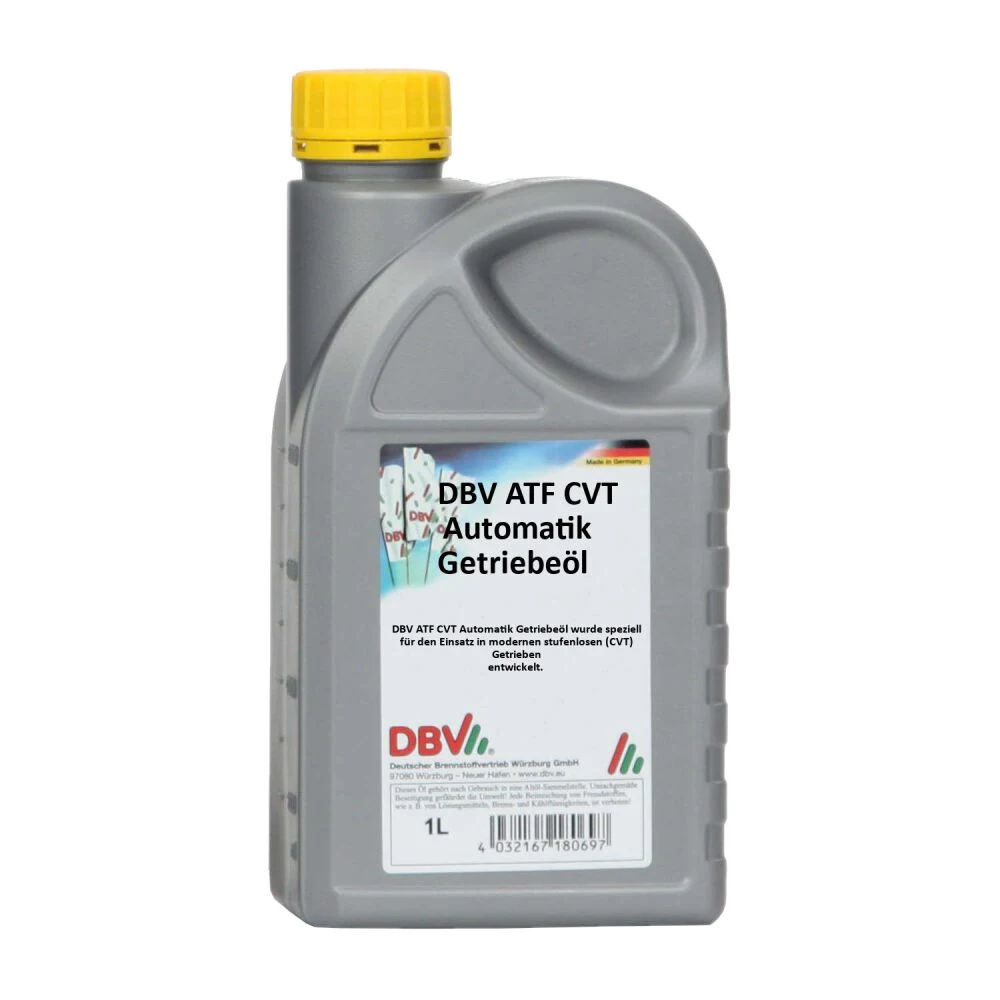
ATF CVT is a automatic transmission fluid in the Automatic transmission fluids category. It is intended for automatic transmissions, CVT units, dual-clutch gearboxes and selected power-transmission systems when the technical requirement matches the data sheet and the vehicle, machine or equipment documentation. The visible grade/profile is ATF.
The decisive point is not the product name alone, but the full requirement profile: exact OEM fluid specification, friction behaviour, transmission generation, colour requirement and service procedure. This localized page therefore keeps the same technical basis as the German shop entry and explains the product in English without shortening the selection notes.
Before ordering, compare the required approval, standard or viscosity with the product data, the PDF documents and the manufacturer's instructions. This is especially important when products have similar SAE, ISO, DOT or ATF labels but different additive packages or approval profiles.
Applications
Use ATF CVT only for applications where the required specification matches. In practice this means checking the vehicle manual, service plan, machine documentation or workshop instruction before using the product for filling, topping up or conversion.
Benefits in use
- ATF products for different automatic-transmission generations
- separate profiles for CVT and dual-clutch applications
- selection by OEM specification rather than generic ATF naming
- stable friction behaviour for shifting comfort and clutch control
- compatibility orientation for VAG, BMW, Mercedes-Benz, Hyundai/Kia and other systems
Approval and specification profile
- Grade or visible profile: ATF
- Category: Automatic transmission fluids
- Usable when this specification is required: Audi G052 180 A2, Audi G052 516 A2, BMW CVT EZL 799A, Chrysler/Jeep CVT Fluid NS-2, Daihatsu AMMIX CVT Fluid DC, Dodge NS-2/CVTF4, Fiat CVT 75W80, Ford CVT Fluid 23/30/MERCON C, Ford CVT WSS M2C928-A/M2C933-A, Ford WSS-M2C933-A, GM/Saturn DEX-CVT, Honda 08260-99905HE, Honda 082609995HE, Honda HMMF/HCF-2, Hyundai/Kia SP-III, Mazda CVT Fluid JWS 3320, MB 001 989 46 03, MB 001 989 46 03, MB 236.20, Mini (BMW) 83 22 2 344 207, Mini Cooper EZL 799A, Mitsubishi Diaqueen ATF SP-III, Mitsubishi Diaqueen CVT Fluid J1/J4, MOPAR CVTF +4, Nissan CVT Fluid NS-1/NS-2/NS-3, Subaru CVT oil for LINEARTRONIC, Subaru i-CVT Fluid / i-CVT Fluid FG, Suzuki SCVT Fluid/CVT Oil/CVT Fluid Green 1/NS-2/GREEN 2, Toyota 08886-02505, Toyota 08886-02505, Toyota CVT Fluid TC/CVT Fluid FE, VW G 052-180 (TL 521 80)
- Important standards and approvals: Hochleistungs-ATF-Getriebe-Öl. Speziell angepast z.b. Für Audi/VW, TL 52180 (GO52180), TL 52516 (GO52516, BMW/Mini (EZL799), MB 236.20, Honda HMMF/HFC-2, KIA/Hyunday CVTF, und viele mehr
Available package sizes
- 1.000 L - 1-litre bottle
- 20.000 L - 20-litre canister
- 60.000 L - 60-litre drum
FAQ zu ATF CVT
Can I use ATF CVT just because the viscosity looks right?
No. The grade is only one part of the selection. The approval and standard profile must match the exact application.
Where can I check the detailed technical data?
The product page links the available PDF documents. Use them together with the manufacturer's documentation before filling or switching products.
Are the package sizes and prices the same as on the German page?
Yes. The localized page uses the same live product, variant, price and document data; only the explanatory content is localized.
Typical technical values
| Property | Method | Unit | Value |
|---|
| Density at 15 °C | ASTM D-7042 | g/ml | 0,852 |
| Kinematic viscosity KV 40 | ASTM D-7042 | mm²/s | 36.6 |
| Kinematic viscosity KV 100 | ASTM D-7042 | mm²/s | 7.0 |
| Viscosity index | ASTM D-7042 | - | 156 |
| Flash point | ASTM D-92/DIN EN ISO 2592 | °C | 210 |
| Pour point | ASTM D-97/DIN EN ISO 3016 | °C | -45 |
Storage notes
Packages of all types should preferably be stored under cover. If products are stored outdoors without cover, packages should be stored horizontally to prevent water ingress and keep labels readable. Products should not be stored at temperatures above 60 °C. Protect them from direct sunlight and frost.